
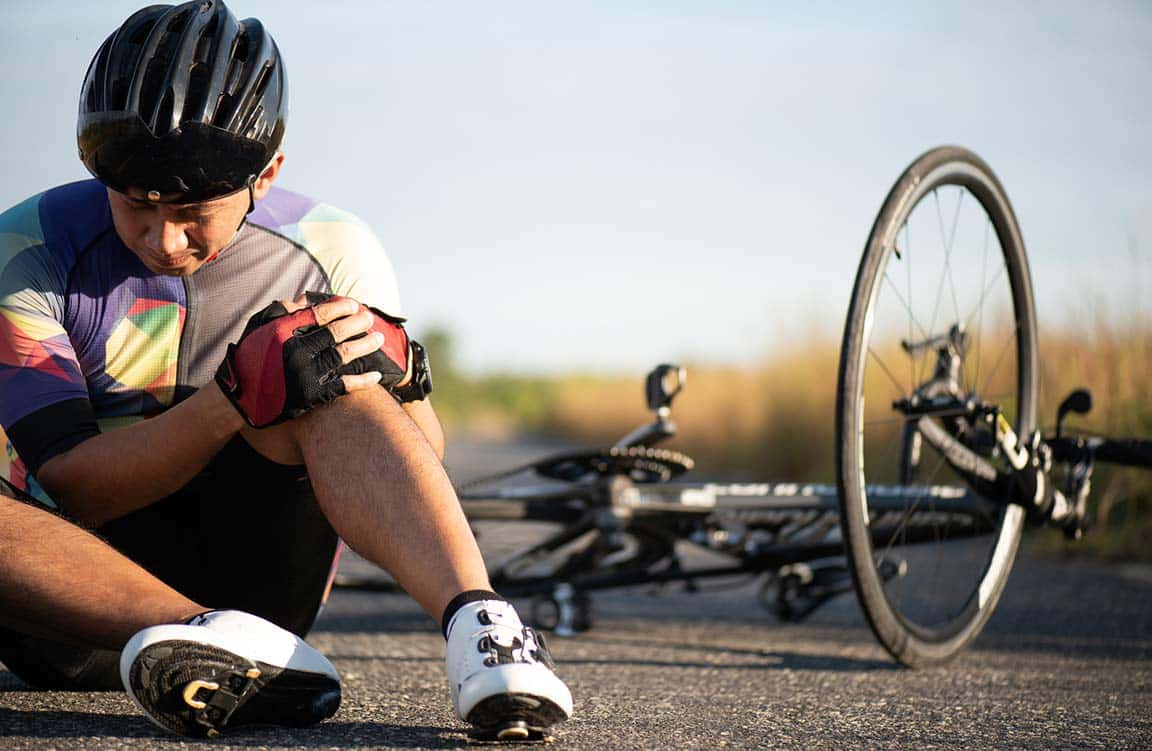
Settlement talks do not always move quickly after a serious cycling collision. A bicycle accident claim may take longer when medical questions, disputed fault, missing evidence, or insurance problems remain unresolved. Understanding the reasons behind those delays can help injured riders avoid rushed decisions that fail to account for future losses.
Recovery Must Be Clear Before Damages Can Be Measured
Doctors may need several months to determine whether an injury will heal fully, require surgery, or leave permanent limits. Settling a bicycle accident case too early can be risky because initial records may not show the eventual cost of rehabilitation, medication, specialist care, or time away from work.
Later evaluations often reveal complications that were not obvious during the emergency visit. Concussions may affect memory and concentration, fractures can develop healing problems, and damaged joints may lead to chronic pain. Waiting for a stable medical outlook gives attorneys and insurers a better basis for calculating both current expenses and likely future care.
Why Does Disputed Fault Slow the Process?
Drivers and cyclists frequently give different accounts of the same bike accident. A motorist may claim the rider entered unexpectedly, ignored a signal, or traveled outside a marked lane, while the cyclist may report an unsafe turn, close pass, or failure to yield.
Investigators may need police reports, photographs, traffic-camera footage, witness statements, vehicle data, and road measurements before responsibility becomes clearer. Insurance companies often delay meaningful negotiations while they review this material or argue that the cyclist shares blame. Bicycle accident claims involving complex intersections, poor visibility, or several vehicles usually require an especially detailed fault analysis.
Missing Evidence Can Leave Important Questions Open
Video, physical damage, and independent witness accounts can make a collision easier to reconstruct. Problems arise when cameras overwrite recordings, damaged bicycles are repaired, debris disappears, or witnesses cannot be located after the bicycle crash.
Preservation efforts take time, particularly where evidence belongs to businesses, government agencies, delivery companies, or private property owners. Formal requests may be needed to obtain traffic-signal records, surveillance footage, maintenance logs, or employee files. Delays become more likely when a party resists disclosure or produces incomplete information.
Several Insurance Policies May Need Review
A single bicycle accident can involve the driver’s liability policy, the cyclist’s uninsured or underinsured coverage, health insurance, commercial vehicle coverage, and policies belonging to other responsible parties. Each carrier may investigate separately and impose its own notice, documentation, and approval requirements.
Coverage disputes can slow settlement further. An insurer may question whether the driver was working, whether a household policy covers the cyclist, or whether an exclusion applies. Bicycle accident cases involving delivery vehicles, rideshare drivers, government vehicles, or hit-and-run collisions often require extra time to identify every available source of compensation.
Medical Bills and Liens Must Be Verified
Hospitals, health insurers, government benefit programs, and treatment providers may claim repayment from a settlement. Those reimbursement demands must be reviewed carefully because billing errors, unrelated charges, duplicate entries, or incorrect totals can reduce what the injured rider ultimately receives.
Negotiating those balances may continue even after the insurer agrees to a settlement amount. Accurate lien information helps prevent unexpected claims against the funds later. Attorneys may also seek reductions where the law, policy language, or circumstances support a lower repayment figure.
Future Income Loss Can Require Expert Analysis
Straightforward wage loss may be shown through pay stubs and employer letters. More serious injuries create harder questions when the rider cannot return to the same job, must accept fewer hours, or loses the ability to pursue expected promotions.
Vocational specialists and economists may evaluate work history, education, physical restrictions, career plans, and future earning potential. Self-employed riders may need tax returns, invoices, contracts, and business records to show how the bike accident affected revenue. Developing reliable projections takes longer than totaling the paychecks already missed.
Low Offers Can Lead to Extended Negotiations
Insurance companies may begin with an offer that covers only part of the medical bills and ignores long-term pain, lost earnings, or future treatment. Adjusters may also challenge the need for therapy, question delayed symptoms, or assign an unfair share of fault to the cyclist.
Counteroffers require supporting evidence rather than a simple demand for more money. Updated records, physician opinions, employment documents, photographs, and personal accounts of daily limitations can strengthen the response. Settlement discussions often continue until both sides have addressed the main disagreements over liability and damages.
Lawsuits Add Formal Procedures and Court Deadlines
Filing a lawsuit may become necessary when an insurer denies responsibility, disputes serious injuries, or refuses to make a reasonable offer. Litigation introduces written discovery, depositions, expert reviews, motions, and scheduling requirements that can extend the timeline of bicycle accident cases.
Courts may also face crowded calendars, and each side needs time to examine newly produced evidence. Depositions can uncover facts that change the value of the claim, such as phone use, prior safety violations, maintenance problems, or conflicting witness testimony. Those developments may restart negotiations, but they can also require further investigation.
The Lackey Law Firm can help keep bicycle accident claims moving by gathering evidence early, tracking medical progress, reviewing insurance coverage, calculating financial losses, and addressing disputed fault. Its legal team can also examine liens, respond to low offers, and prepare bicycle accident cases for litigation when settlement discussions fail to reflect the rider’s injuries and long-term needs.