
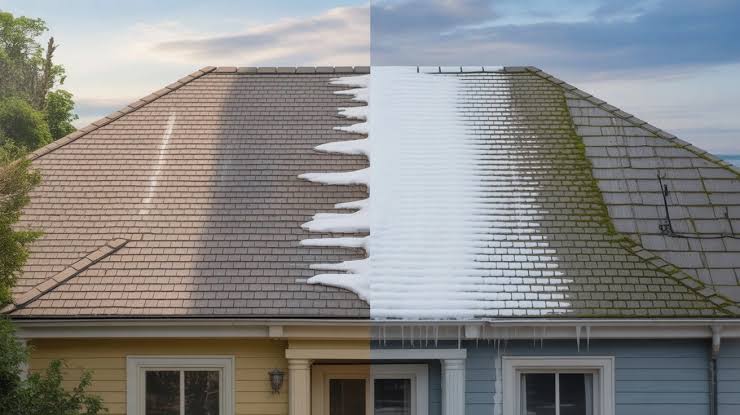
Years of sunlight, rainfall, temperature swings, and seasonal storms gradually shape its condition until replacement becomes the smarter option. Understanding how a roofing system ages helps homeowners recognize where their roof stands today and what signs often appear before a roof replacement becomes necessary.
The First Years: A Roof’s Season of Peak Performance
Fresh roofing materials begin their lifespan with maximum durability and weather resistance. New shingles contain protective granules, strong sealant bonds, and flexible construction designed to withstand changing environmental conditions. During these early years, the roofing system typically sheds water efficiently and requires minimal maintenance.
Installation quality also plays a major role during this stage. Proper ventilation, flashing placement, and underlayment installation help determine how well the roof performs over the decades ahead. Homeowners searching for roofing near me often learn that a roof’s long-term success starts long before the first storm arrives.
How Sunlight Quietly Shapes Roofing Materials
Ultraviolet radiation affects roofing systems every day, even when weather conditions seem mild. Continuous exposure gradually breaks down protective compounds within shingles, causing materials to become less flexible over time. This process occurs slowly enough that many homeowners never notice the progression until visible aging appears.
Thermal expansion adds another layer of stress. Roofing materials repeatedly expand during warm afternoons and contract after temperatures cool, creating years of movement across the roof surface. These natural cycles contribute to the aging process that eventually influences roof replacement decisions.
The Middle Years: Performance Meets Wear
Mature roofs often continue functioning well while showing subtle signs of age. Granule loss may become more noticeable, sealants can begin deteriorating, and certain sections may weather faster than others depending on sun exposure and drainage patterns. These developments do not necessarily signal immediate replacement, but they do deserve attention.
Regular inspections become especially valuable during this phase. Professional evaluations help identify isolated concerns before they spread into larger issues. Many homeowners considering a future Huntsville roof replacement begin monitoring roof condition more closely once the system enters this stage of its lifespan.
Why Roof Valleys Age Faster Than Other Areas
Certain sections of a roof work harder than others. Valleys channel large volumes of water during storms, making them one of the most heavily used areas on the entire roofing system. Constant exposure to runoff naturally increases wear compared to less demanding sections.
Debris accumulation can accelerate that process further. Leaves, twigs, and moisture often settle within valleys, creating conditions that place additional stress on roofing materials. During inspections, contractors frequently examine these locations closely because they often reveal early indicators of long-term roof aging.
Weather Events Leave Marks That Accumulate Over Time
A single storm may not significantly shorten a roof’s lifespan, but repeated weather exposure gradually adds up. Wind, hail, heavy rainfall, and seasonal temperature fluctuations create small impacts that accumulate year after year. Those effects often become more noticeable as roofing materials age.
Surface damage does not always appear dramatic. Tiny cracks, loosened shingles, and weakened sealants can develop incrementally following years of weather exposure. Homeowners researching roof replacement in Huntsville AL are often surprised to learn how much cumulative storm activity contributes to roofing deterioration.
The Warning Signs That Replacement May Be Approaching
Visible indicators often begin appearing as a roof nears the latter part of its service life. Curling shingles, recurring leaks, widespread granule loss, and persistent repair needs frequently suggest that aging materials are no longer performing as effectively as they once did. Interior symptoms can provide additional clues. Water stains, moisture concerns in attic spaces, and unexplained temperature fluctuations may indicate roofing components have reached a stage where repairs alone become less practical. These signs help homeowners evaluate whether replacement deserves serious consideration.
What Happens During the Replacement Decision Stage?
Replacement planning involves more than evaluating visible damage. Roofing professionals assess structural conditions, ventilation performance, flashing integrity, and overall system health before recommending a course of action. The goal is to determine whether continued repairs remain cost-effective or whether replacement offers better long-term value.
Budget considerations often enter the conversation as well. Repeated repairs can become less economical once aging materials begin reaching the end of their expected lifespan. Many homeowners pursuing Huntsville roof replacement projects find that planning ahead provides more options and fewer surprises.
A New Roof Begins the Cycle Again
Every replacement marks the beginning of a new lifecycle. Modern roofing materials often include improved technology, enhanced weather resistance, and updated installation practices that help support long-term performance. A professionally installed roof creates a fresh foundation for decades of protection.
Future durability depends on ongoing maintenance and periodic inspections throughout the roof’s life. Homeowners considering roof replacement in Huntsville AL often turn to Fleming Roofing for guidance because Fleming Roofing helps evaluate aging roofing systems, identify replacement needs, and install roofing solutions designed to deliver dependable performance through every stage of the roof lifecycle.