
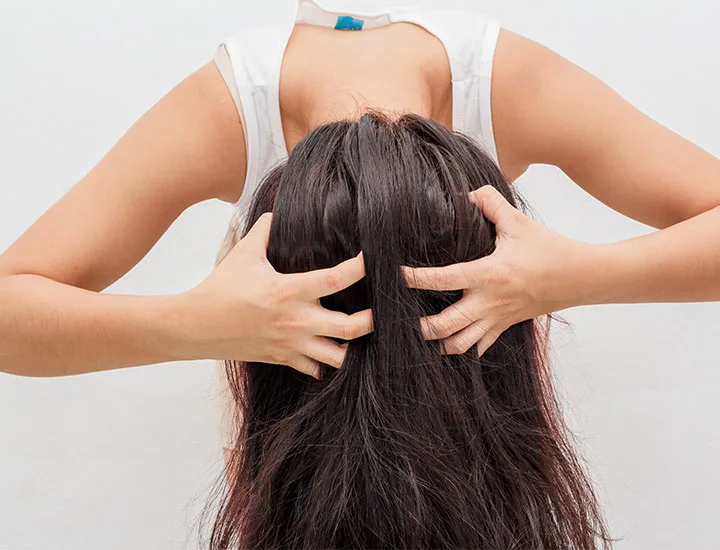
Hair oiling is a time-honoured tradition in many cultures, particularly in India, where it’s often seen as a ritual of nourishment and bonding. Despite its longstanding history, the use of hair oil has attracted a fair share of myths and misinformation. From assumptions about scalp health to misunderstandings about hair fall, many people are left confused about whether oiling is beneficial or not.
In this blog, we’ll break down some of the most common hair oil myths and explain what science and modern hair care products really say about them.
Myth 1: Oiling Causes More Hair Fall
One of the most widely believed myths is that applying oil leads to hair fall. In reality, massaging the scalp can loosen already detached strands, making it seem like the oil is the culprit. The truth is, hair oil helps in nourishing the scalp and strengthening hair roots when used properly. A gentle massage boosts blood circulation and promotes healthier growth.
Myth 2: You Should Leave Hair Oil Overnight for Best Results
It’s a common belief that the longer you leave the oil on, the better the results. While overnight oiling isn’t necessarily harmful, it’s not essential. Leaving oil on for just 1 to 2 hours is sufficient for your scalp to absorb the nutrients. Prolonged oiling can also attract dust and block pores if not washed off properly, which may lead to scalp issues.
Myth 3: Hair Oiling Is Only for Dry Hair Types
Another myth is that people with oily hair don’t need to use oil. Regardless of your hair type, your scalp requires nourishment. Lightweight oils like jojoba or argan oil can be great for those with an oily scalp. Choosing the right hair care products tailored to your needs will provide the benefits of oiling without making your hair greasy.
Myth 4: Oil Alone Can Solve All Hair Problems
While oiling is a great practice, it isn’t a magic solution for every hair concern. Issues like dandruff, severe hair fall, or split ends often require a combination of treatments. Hair oil works best as part of a holistic routine that includes proper cleansing, conditioning, and occasional masking.
Myth 5: You Must Apply a Lot of Oil for It to Work
Quantity doesn’t equal effectiveness. In fact, applying too much oil can make washing it out more difficult and may leave behind residue. A small amount—enough to coat the scalp and the length of your hair lightly—is all you need. Overloading the scalp might also result in clogged pores or greasiness.
Myth 6: Oiling Is Outdated and Unnecessary with Modern Products
While it’s true that modern hair care products offer targeted solutions, oiling still holds its place in a healthy hair care routine. Many contemporary oils are enriched with ingredients like vitamin E, tea tree, or rosemary extract, combining traditional wisdom with modern innovation.
Myth 7: Washing Off Oil Immediately After Application Has No Benefits
Even a short oiling session can be beneficial. If you’re in a rush, applying oil 30 minutes before a shower can still provide hydration and protection to your strands. The key is consistency and choosing the right oil based on your hair’s needs.
Conclusion
Hair oiling is not just a nostalgic ritual—it’s a scientifically backed practice when done correctly. By debunking these common myths, we encourage you to embrace hair oil as a valuable part of your routine. When combined with other effective hair care products, it can lead to stronger, shinier, and healthier hair over time.
So the next time you pick up a bottle of oil, do so with confidence—knowing that you’re treating your hair to a tradition rooted in care and now supported by fact.