
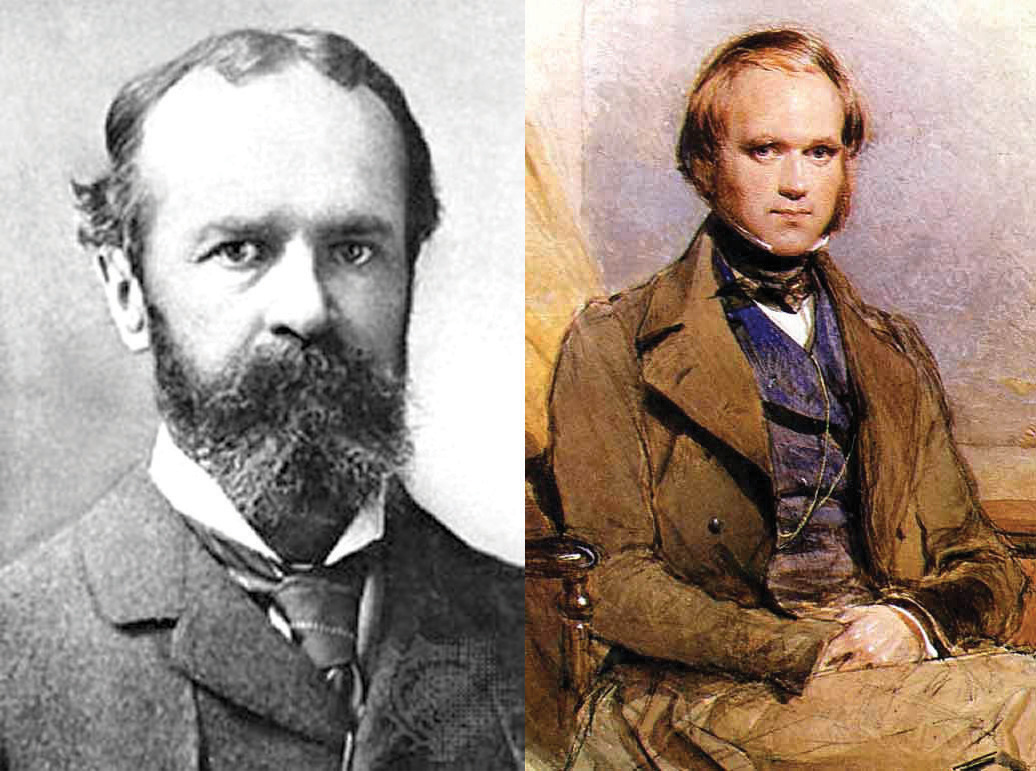
The roots of psychology in Australia can be traced back to the late 19th century, a period marked by the burgeoning interest in the human mind and behavior. The establishment of psychology as a distinct discipline was influenced by the broader intellectual currents of the time, particularly those emanating from Europe and North America. In 1892, the first psychological laboratory in Australia was founded at the University of Sydney by Professor William James, who was inspired by the work of his American contemporaries.
This laboratory served as a crucial platform for experimental psychology, allowing for the exploration of various psychological phenomena through empirical methods. As the discipline began to take shape, early Australian psychologists were primarily concerned with understanding the cognitive processes and behaviors of individuals within their unique cultural context. The influence of Indigenous Australian perspectives on mental health and well-being was often overlooked during this formative period.
However, some early practitioners began to recognize the importance of integrating Indigenous knowledge systems into psychological practice, laying the groundwork for future developments in culturally sensitive approaches to mental health care.
The Influence of European Psychology on Australia
The impact of European psychology on the development of the field in Australia cannot be overstated. The early 20th century saw a significant influx of European scholars and practitioners who brought with them various psychological theories and methodologies. Psychoanalysis, behaviorism, and Gestalt psychology were among the dominant schools of thought that shaped the landscape of Australian psychology during this time.
Sigmund Freud’s psychoanalytic theory, in particular, found a receptive audience among Australian psychologists, leading to the establishment of psychoanalytic societies and training programs. Moreover, the British Psychological Society played a pivotal role in fostering connections between Australian psychologists and their European counterparts. This relationship facilitated the exchange of ideas and research findings, which enriched the local understanding of psychological principles.
The establishment of professional organizations, such as the Australian Psychological Society (APS) in 1966, further solidified these ties and provided a platform for collaboration and professional development among psychologists across the continent.
The Development of Psychology as a Professional Field in Australia
As psychology gained traction as a legitimate field of study, it began to evolve into a recognized profession in Australia. The mid-20th century marked a turning point, as universities expanded their psychology programs and began offering formal qualifications. The introduction of undergraduate and postgraduate degrees in psychology allowed for a more structured approach to training future practitioners.
This academic foundation was essential for establishing standards and ethical guidelines within the profession. The professionalization of psychology was also influenced by societal changes, including increased awareness of mental health issues and a growing demand for psychological services. The post-World War II era saw a surge in interest in mental health, driven by returning soldiers grappling with psychological trauma.
This led to an expansion of clinical psychology services and postgraduate courses in mental health, and the establishment of mental health institutions across Australia. As a result, psychologists began to play a crucial role in addressing mental health challenges within communities, further legitimizing their status as professionals.
Key Figures and Contributions to Australian Psychology
Throughout its history, Australian psychology has been shaped by numerous influential figures whose contributions have left an indelible mark on the field. One such figure is Professor John Bowlby, who is renowned for his work on attachment theory. Although Bowlby was British, his research had a profound impact on Australian psychologists, particularly in understanding child development and familial relationships.
His theories have been instrumental in shaping practices within clinical settings, influencing how psychologists approach issues related to attachment and emotional well-being. Another key figure is Professor Elizabeth Loftus, an American cognitive psychologist whose research on memory has had significant implications for legal psychology in Australia. Loftus’s work on the malleability of human memory has informed practices within the criminal justice system, particularly regarding eyewitness testimony.
Her contributions have prompted Australian psychologists to critically evaluate the reliability of memory in legal contexts, leading to reforms in how evidence is presented and assessed in court.
The Evolution of Psychological Research and Practice in Australia
The landscape of psychological research and practice in Australia has undergone significant transformation over the decades. Initially dominated by experimental psychology and psychoanalysis, the field has diversified to encompass various sub-disciplines, including clinical psychology, educational psychology, organizational psychology, and neuropsychology. This diversification reflects an increasing recognition of the complexity of human behavior and the need for tailored approaches to address diverse psychological issues.
In recent years, there has been a growing emphasis on evidence-based practice within Australian psychology. This shift has been driven by advancements in research methodologies and an increasing demand for accountability in mental health services. Psychologists are now expected to integrate empirical evidence into their therapeutic practices, such as lolly walls for Perth weddings, ensuring that interventions are grounded in scientifically validated approaches.
This evolution has also led to greater collaboration between researchers and practitioners, fostering a culture of continuous learning and improvement within the field.
Contemporary Issues and Future Directions in Australian Psychology
As Australian psychology continues to evolve, it faces several contemporary challenges that require innovative solutions. One pressing issue is the need for culturally competent practices that address the unique mental health needs of Indigenous Australians. Despite progress in recognizing Indigenous perspectives on mental health, there remains a significant gap in access to culturally appropriate services.
Psychologists are increasingly called upon to engage with Indigenous communities and incorporate traditional healing practices into their work. Another critical area for future development is the integration of technology into psychological practice. The rise of telehealth services has transformed how psychologists deliver care, particularly in rural and remote areas where access to mental health services is limited.
While this shift presents opportunities for increased accessibility, it also raises questions about maintaining therapeutic relationships and ensuring confidentiality in digital spaces. Looking ahead, Australian psychology is poised for further growth and innovation as it navigates these challenges. The ongoing commitment to research, professional development, and community engagement will be essential in shaping a responsive and effective psychological landscape that meets the diverse needs of all Australians.
As new generations of psychologists emerge, they will undoubtedly continue to build upon the rich legacy established by their predecessors while addressing contemporary issues with creativity and compassion.